

By Frederick Ravid
Founder, MoneyGrow.com®
Let’s Gain Perspective So We Can Make Sense of Our Era.
EXPLORE THE GREAT RESET
What Makes a Great Reset? • Historical Great Resets • The 20th Century Resets • The 2025–2026 Crossroads • What May Be Emerging • Benjamin Franklin’s Warning • What It Means for Investors • The Next 36–37 Years
Have you ever felt like the world just shifted? That the rules we’ve lived by for decades suddenly stopped applying?
2025–2026 is yet another Great Reset period.
Most people think history is a random series of accidents. But if you look closer, there is a pulse. A 36–37-year cycle of “Great Resets.”
1773–1776 → 1808–1810 → 1846–1848 → 1882–1885 → 1915–1918 →
1953–1955 → 1987–1989 → 2025–2026
The dates are not meant to suggest that history operates on a mechanical 36–37 year schedule. Rather, approximately every 36–37 years a recurring historical window appears in which ideals and aspirations collide with practical limits. Institutions, economic assumptions, political arrangements and technologies that once seemed capable of carrying society forward are subjected to an unusually severe reality test.
The important question is therefore not whether a particular event occurs exactly 36–37 years after another. It is whether these recurring periods display the same underlying character: aspiration confronting limitation, followed by the dissolution, restructuring or replacement of arrangements that can no longer survive that test.
The historical record surrounding these intervals provides a remarkable series of examples.
The 36–37-year cycle brings aspirations and ideals into confrontation with practical reality. Some dreams survive the test and reshape the world. Others fail. And structures that can no longer reconcile the two begin to crumble.
What Makes a Great Reset?
Great Reset periods tend to share several characteristics:
- Financial or speculative excesses reach a breaking point.
- Political or geographic boundaries and alliances change.
- Transformative technology disrupts existing economic arrangements.
- Wealth and power become unusually concentrated, producing social reaction.
- A new economic or geopolitical order emerges from the disruption.
Right now, we are in the midst of the 2025–2026 window. We’re seeing the same pre-shocks: the rise of a K-shaped economy with massive wealth and power held by the few while many are locked into struggle, a period of massive fraud and identity theft, a global redrawing of the map, and Russia and America flexing to vaporize longstanding boundaries.
What does this cycle mean for your wealth, your security, and the next three decades of human history?
Stick around. We’re going deep into the “Great Reset” of 2025–2026. Since our focus is on investment and security, we must be nimble and set appropriate expectations now and through this period.
The Gilded Age and the Digital Age
Consider these patterns that fall within Great Reset intervals:
| The Gilded Age (1882) | The Digital Age (2026) |
|---|---|
| Railroad infrastructure boom | AI and data center infrastructure: questionable promise |
| The 1884 financial panic | Systemic reversals in U.S. Treasury and Federal Reserve |
| Standard Oil monopoly | Big Tech dominance and circular financing |
| Peasant and worker uprisings | Unrest from the “left behind” working class |
Great Dissolution: Navigating the 36-Year Secular Cycle
In financial media, we hear a narrative dominated by yesterday’s news, quarters and fiscal years. But to understand where the world is going, we must talk about decades.
Specifically, the 36–37 year secular cycle.
This is a recurring period where human idealism meets a hard test of reality. It is a time of Great Dissolution, where the structures that define our world change dramatically. These include borders, currencies and social contracts.
Why do they change? They simply give way because they no longer fit the aspirations of power or perceived necessity.
Historical Examples: The 18th and 19th Centuries
1808–1810: Empires Begin to Fracture
The 1808–1810 interval brought another confrontation between established authority and aspirations for political independence. Napoleon’s invasion of Spain in 1808 destabilized the Spanish monarchy and created a fundamental question throughout its empire: who possessed legitimate authority when the monarch himself had been displaced?
The resulting crisis helped ignite independence movements across Spanish America. By 1810, revolutionary governments and uprisings had emerged in Mexico, Venezuela, Buenos Aires, Chile and elsewhere. Independence would take years to achieve, but the assumption that Spain could indefinitely govern its American colonies had been fundamentally challenged.
At the same time, the Napoleonic Wars were transforming political boundaries and demonstrating both the power and limitations of revolutionary France. Ideas of popular sovereignty, constitutional government and national identity increasingly competed with hereditary monarchy and imperial rule.
The old order did not disappear in 1809 or 1810. But its foundations had begun to fracture. Aspirations for independence and self-government confronted the practical power of established empires. This led to a prolonged restructuring of political authority that would redraw much of the Western Hemisphere during the decades that followed.
1846–1848: Expansion, Revolution and Technological Change
The 1846–1848 interval brought another convergence of territorial expansion, economic aspiration, technological change and social upheaval.
The Mexican-American War dramatically expanded U.S. western territory, while the California Gold Rush began in 1848 and accelerated migration, investment and economic development across the American West.
At the same time, new technologies were beginning to transform communication and visual experience. In Vienna in 1847, Ludwig Döbler publicly projected animated moving images using his Phantaskop, an important precursor to motion pictures.
And in 1848, Marx and Engels published The Communist Manifesto, challenging the emerging industrial order with a radically different vision of the relationship between labor, capital and political power.
The revolutionary movements that swept Europe in 1848 made the larger pattern unmistakable. Established political authority, national boundaries, economic relationships and social hierarchies were all being challenged at once.
Some of those revolutionary aspirations failed immediately, but the ideas of nationalism, political representation and organized resistance to concentrated economic power would profoundly influence the decades that followed.
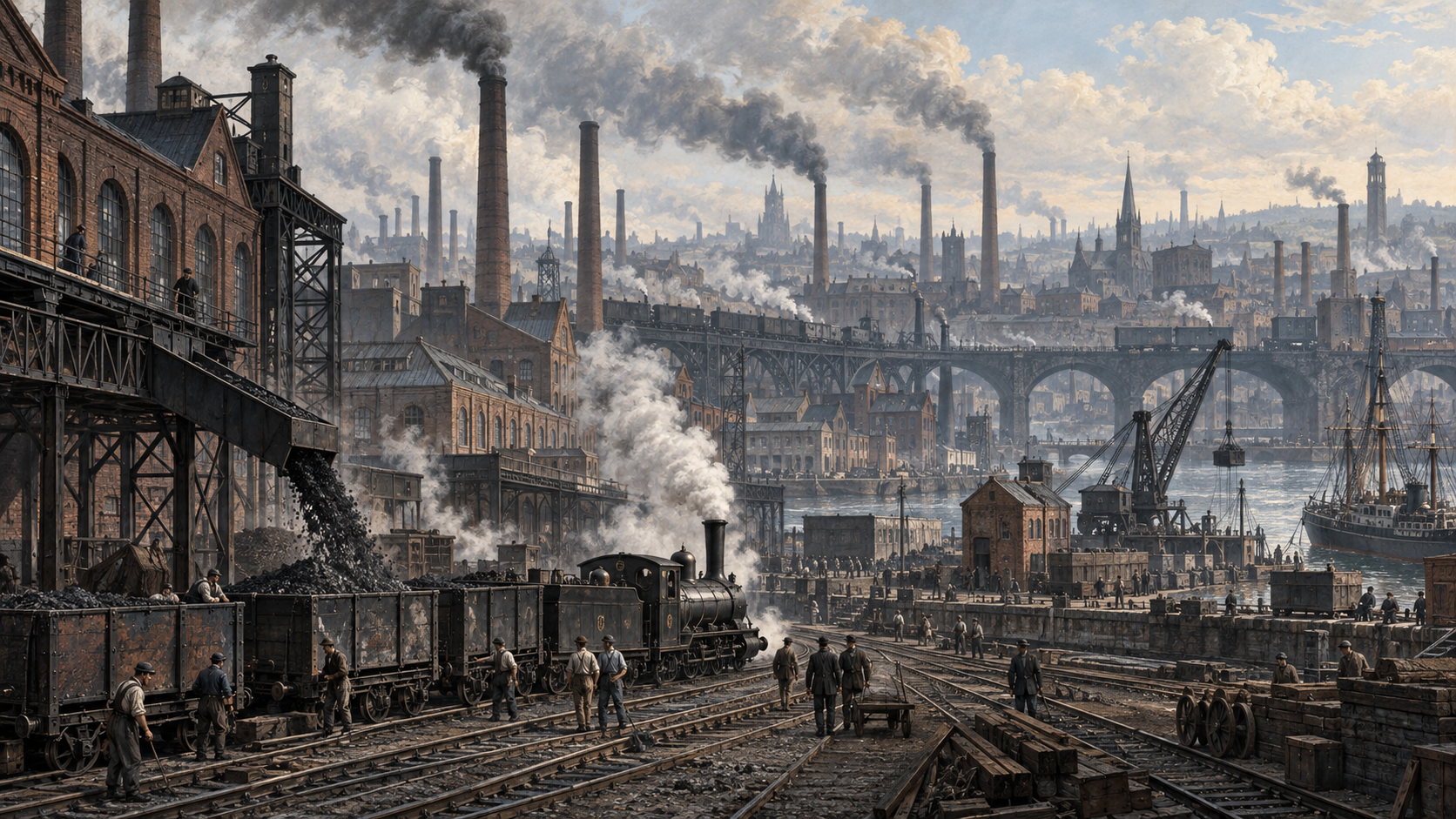
1882–1885: The Industrial World Takes Shape
By 1882, the “Gilded Age” reached its breaking point. We saw the assassination of the Tsar in Russia and the 1884 financial panic. This was the third-longest recession in U.S. history.
Also, like today’s example, this was the era of the “K-shaped economy” of its time: extreme wealth at the top, while the working class feared the rise of machines and the “invisible” threat of germ theory.
The 1882–1885 period marked a severe test of the assumptions of the Gilded Age. Railroad expansion had helped create enormous fortunes and knit previously separate regional economies into an increasingly national marketplace.
But excessive railroad construction, speculation and financial leverage contributed to a prolonged economic contraction that included the financial Panic of 1884. Extreme concentrations of wealth existed alongside growing insecurity among workers confronting industrialization and machines.
Yet the industrial revolution did not fail. Instead, the excesses surrounding its development were tested against economic reality. Railroads remained essential infrastructure even as individual railroad companies and their investors suffered.
This distinction between transformative technology and the financial speculation surrounding it would be repeated many times, including during the Internet revolution and perhaps again in the AI era.
What emerged was an increasingly industrial, urban and interconnected economy. Large corporations and trusts accumulated unprecedented economic power. Railroads, steel, oil, electricity and telecommunications transformed production and everyday life.
National markets increasingly displaced local ones, mass production expanded, cities grew rapidly, and industrial employment reshaped the relationship between labor and capital.
These developments also produced their own counterforces. Organized labor grew in response to industrial power and working conditions. Political pressure mounted against monopolies and concentrated wealth. Government gradually assumed a larger role in regulating commerce. Here, a long shift away from the assumption that industrial markets should largely regulate themselves began.
At the same time, advances in medicine and acceptance of germ theory began changing public health and expectations about the ability of science to solve previously mysterious problems.
The assumptions established during this period shaped much of the next 36–37 years: confidence in industrial expansion and technological progress, the rise of the modern corporation, increasingly concentrated financial and industrial power. Furthermore, society saw a shift towards national markets, rapid urbanization, growing conflict between labor and capital, and increasing pressure for government to restrain the excesses produced by industrial capitalism.
By the time the next Great Reset arrived around 1917, those forces had transformed society. Industrial corporations had grown immensely powerful. Governments gained a far greater capacity to direct national economies. Organized labor and mass political movements secured new influence. At the same time, industrial technology fundamentally altered the very nature of warfare.
The industrial order born in the late nineteenth century had succeeded spectacularly in creating productive power. The next reset would test how that power was distributed, governed and used.
20th Century: The Total Reset
1917–1918: A New Political and Economic Order
The 1917–1918 reset transformed far more than national boundaries. The Russian Empire collapsed and revolution created the world’s first enduring communist state. The German and Ottoman empires soon followed, redrawing Europe and the Middle East and accelerating demands for national self-determination.
The United States emerged from World War I with greatly expanded economic and financial influence. Governments had demonstrated an unprecedented ability to tax income, borrow, mobilize industry and direct national economies.
Mass production and industrial technology had become instruments not merely of prosperity but of national power.
What followed was a generation increasingly defined by competing visions of how modern society should be organized. Liberal capitalism, communism and eventually fascism offered radically different answers to the relationship between the individual, the state and the economy.
Central governments grew more powerful, mass political movements flourished, and economic management became increasingly inseparable from politics.
The assumptions emerging from this reset shaped the next 36–37 years. They established powerful nation-states and intense ideological competition. Governments took a much greater role in economic life. American financial ascendancy grew alongside Soviet communism as a competing system. Ultimately, a new geopolitical order emerged, determined increasingly by industrial and military power.
By 1953–1955, the consequences were unmistakable. Two superpowers dominated the international system, nuclear weapons had transformed the limits of warfare, and the ideological struggle between the United States and Soviet Union had become the organizing principle of world affairs.
The next Great Reset would begin with that new reality.
1953–1955: The World That Followed
By 1953–1955, the revolutionary and ideological struggles unleashed around 1917 had hardened into a new postwar order.
The old multipolar world of competing European empires had largely given way to a bipolar system dominated by the United States and Soviet Union. Fascism had been defeated, capitalism and communism remained the great competing systems. Nuclear weapons imposed practical limits on direct warfare between the superpowers.
But another transformation was beginning. The question was no longer simply which political and economic systems would survive. A new era was taking shape. Science, technology, mass communication, and consumer prosperity advanced alongside powerful institutions that promised to manage problems that earlier generations had regarded as unavoidable.
Stalin died. Queen Elizabeth II was crowned. The Salk polio vaccine emerged as one of the great demonstrations of modern medicine’s ability to conquer previously terrifying disease. Television rapidly became the first electronic medium capable of bringing the same images, personalities, advertising and political messages into millions of homes.
The geopolitical order was also taking shape. In Iran, Prime Minister Mohammad Mosaddegh was overthrown after nationalizing Iranian oil, and the Shah returned to power. China launched its first Five-Year Plan and accelerated the development of heavy industry.
The Cold War increasingly divided the world into competing spheres of influence while nuclear weapons made direct confrontation between the great powers potentially catastrophic.
What emerged from this reset was not simply a collection of events. It was the framework that shaped much of the next 36–37 years. The main features were American and Soviet superpower rivalry, nuclear deterrence, and expanding government and institutional power. Mass television culture became dominant. Confidence in science and technological progress led to growing consumer prosperity in the developed world. An increasingly consequential struggle over energy and influence in the Middle East surfaced dramatically.
By the time the next Great Reset arrived in 1987–1989, several of those assumptions were reaching their limits. The Soviet system was failing, the Cold War order was dissolving, television was beginning to surrender its monopoly over mass information, global capital was becoming more mobile, and a new technological and economic order was waiting to replace the one born in the 1950s.
1987–1989: The Post-Cold War Reset
The most recent reset in 1989 is the one we remember best.
The Berlin Wall fell in 1989; within two years, the Soviet Union itself dissolved. But remember the warning shot: The Black Monday market crash in 1987 which produced a 22 percent drop in a single day. This was a signal that the financial system was overextended.
The Iran-Iraq War ended in stalemate, while Iran’s Supreme Leader died and was succeeded by Ali Khamenei.
That period led into the post-Cold War order, globalization, expanding global capital markets. The advent of the world wide web brought us the commercial Internet era. Supply chains became increasingly integrated. American geopolitical predominance was unmistakable. Eventually, enormous technology-company power became normal.
Each of these is now being called into question.
2025–2026: The Current Crossroads
Now, here we are. The 2025–2026 window.
We are seeing the same patterns.
First: Economic Fragility
Like the railroad overextension of 1884, we have the AI and data center overextension today with who-knows-what outcomes, yet the level of speculation versus hard evidence is running at a historic pace.
What’s the lesson?
Transformative technology can be completely real while the investment boom surrounding it becomes financially irrational.
Being right about technology does not necessarily mean being right about its valuation, financing, timing, or beneficiaries.
Railroads changed civilization even though railroad investors experienced repeated financial disasters. The Internet changed civilization despite the dot-com collapse.
SpaceX provides another striking example. The company entered the Nasdaq-100 only weeks after its 2026 IPO, following recently revised Nasdaq-100 eligibility rules designed in part to accommodate the changing nature of exceptionally large new public companies. The S&P 500, by contrast, considered but ultimately rejected comparable exceptions for mega-cap companies, retaining its existing financial viability and seasoning requirements.
The contrast raises an important question about whether enormous valuations and investor enthusiasm are increasingly being allowed to outrun traditional measures of financial maturity.
Economic fragility is also evident in oil prices and constrained supplies of energy and fertilizer inputs. Prolonged shortages or unaffordability of these resources could push vulnerable economies toward recession.
Second: Global Power
Russia is once again at a point of prominence or disreputation.
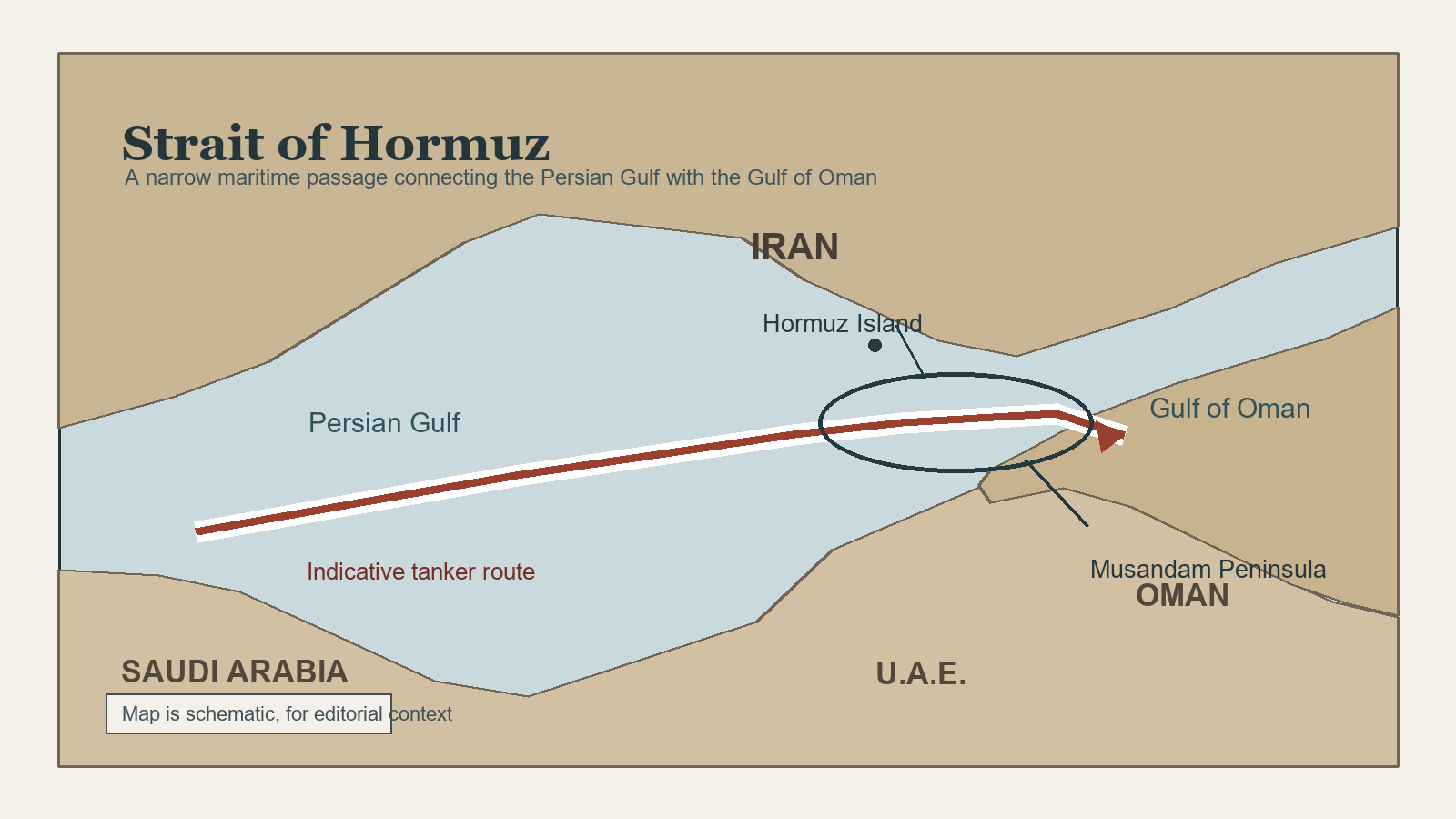
Iran flexes its muscle at the Strait of Hormuz, a critical artery for global energy markets, while its alignment with China reinforces a broader challenge to Western economic and geopolitical influence.
China, meanwhile, seeks to expand the international role of the renminbi and reduce the financial influence the West derives from the dollar’s status as the world’s reserve currency.
Third: The Invisible Threat
In the 1880s, it was germs. In the 1950s, it was nuclear fallout. Now, threats of nuclear proliferation once again reach the headlines.
Today, we see identity theft, perpetration of crypto fraud, bilking of senior citizens, deepfakes, AI-generated video, music and “AI slop” in every permutation.
First and foremost, we witness the dissolution of what was once accepted as “truth” across innumerable areas of life. Constantly shifting justifications and expectations reveal the rupture of policy foundations and the onset of uncertainty.
Fourth: Shifting Centers of Power
- Iran gains greater control over the Strait of Hormuz. This is but one of several examples where gaining control over critical trade routes can become an instrument of geopolitical and economic power.
- Simultaneously, the United States focuses its containment strategy along the First and Second Island Chains in the Western Pacific, as well as critical maritime choke points like the Bashi Channel and the South China Sea.
- China plays the long game, building substantial reserves of gold and oil that provide a hedge against geopolitical and supply instability.
- Low birth rates and aging populations are creating growing demographic and economic pressures across many Asian and European nations. Who will work in factories as existing workers age out?
- K-shaped patterns reappear in wealth and spending, widening the economic distance between higher-income households and much of the population.
- Significant shifts are taking place in political orientations through elections and policy changes around the world.
- China maintains its industrial pre-eminence as “the world’s factory.
What does this changing environment mean for your financial strategy?
Periods of transition can raise important questions about risk, diversification, income and long-term planning. If this Great Reset has you thinking about how your own financial strategy is positioned for change, Frederick welcomes the conversation.
What May Be Emerging From the 2025–2026 Reset
If the historical pattern holds, the most important developments of 2025–2026 may not be the institutions and assumptions that are failing, but those beginning to replace them.
It is too early to know which will endure, but several possibilities are becoming visible.
Artificial Intelligence Moves Into the Physical Economy
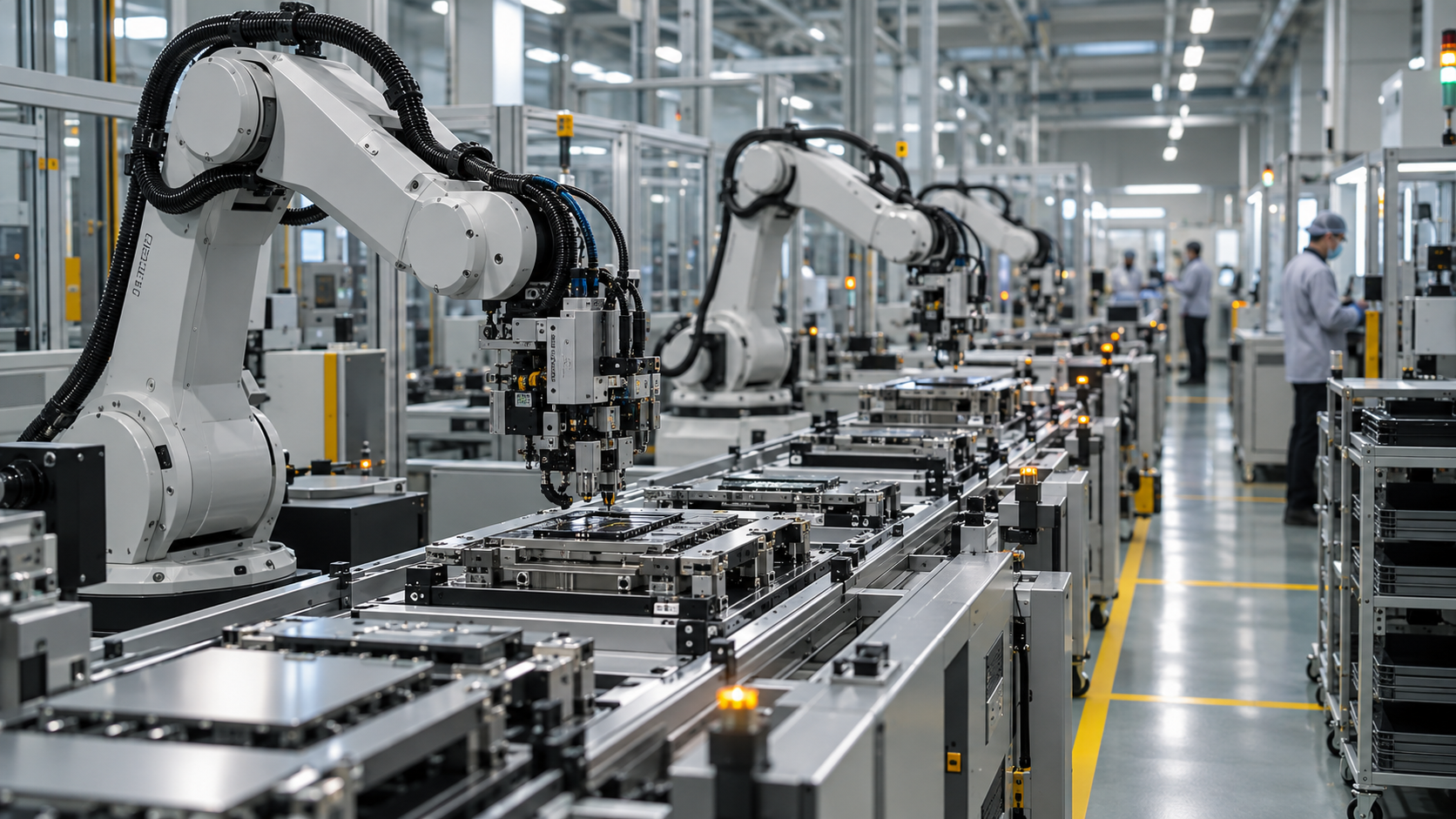
Artificial intelligence appears likely to move beyond software and information into medicine, manufacturing, transportation and other parts of the physical economy.
This could make electricity, data centers, semiconductor capacity and computing infrastructure increasingly strategic resources.
Yet, as with railroads and the Internet, technological transformation does not guarantee that every investment made in its name will succeed.
Globalization Gives Way to Resilience
The economic order may also become less dependent on unrestricted globalization.
Strategic supply chains, domestic manufacturing, energy security and government involvement in critical industries may assume greater importance as nations place resilience and security alongside economic efficiency.
A More Multipolar World
Geopolitically, the world appears to be moving toward a more multipolar system.
American economic and financial power remains formidable, but China, Russia and other regional powers are increasingly challenging assumptions established during the post-Cold War era.
The dollar may remain the dominant reserve currency while facing continuing efforts to reduce dependence on it.
Authenticity Becomes Valuable Infrastructure
Another emerging challenge is determining what information can be trusted.
As artificial intelligence makes synthetic images, voices, documents and identities increasingly difficult to distinguish from authentic ones, verification itself may become an economically valuable form of infrastructure.
Drivers of a New Economic Order
Demographic pressures may prove equally consequential.
Aging populations and low birth rates across many European and Asian economies are expected to alter economic growth, labor markets, government finances, immigration policy, consumption and the relationship between capital and labor.
None of these outcomes is predetermined. But together they suggest that the next order may be characterized by artificial intelligence extending into the physical economy. We are already seeing enormous demand for computing and energy infrastructure, amidst regulatory bottlenecks in grid expansion and modernizationt.
The political and economic questions include how nations participate in markets and globalization. At the same time, greater geopolitical competition is unfolding alongside growing demographic pressures. As artificial intelligence makes authenticity increasingly difficult to establish, we can also expect a growing premium on the ability to verify information, identity and origin.
Those may be among the assumptions that the next generation comes to regard as normal, just as globalization, the Internet, and American geopolitical predominance became defining assumptions of the world that followed the 1987–1989 reset.
Benjamin Franklin’s “Rules for a Small Empire”
The earliest Great Reset in our chronology offers one final warning about what happens when established institutions become unable to reconcile aspiration with practical governance.
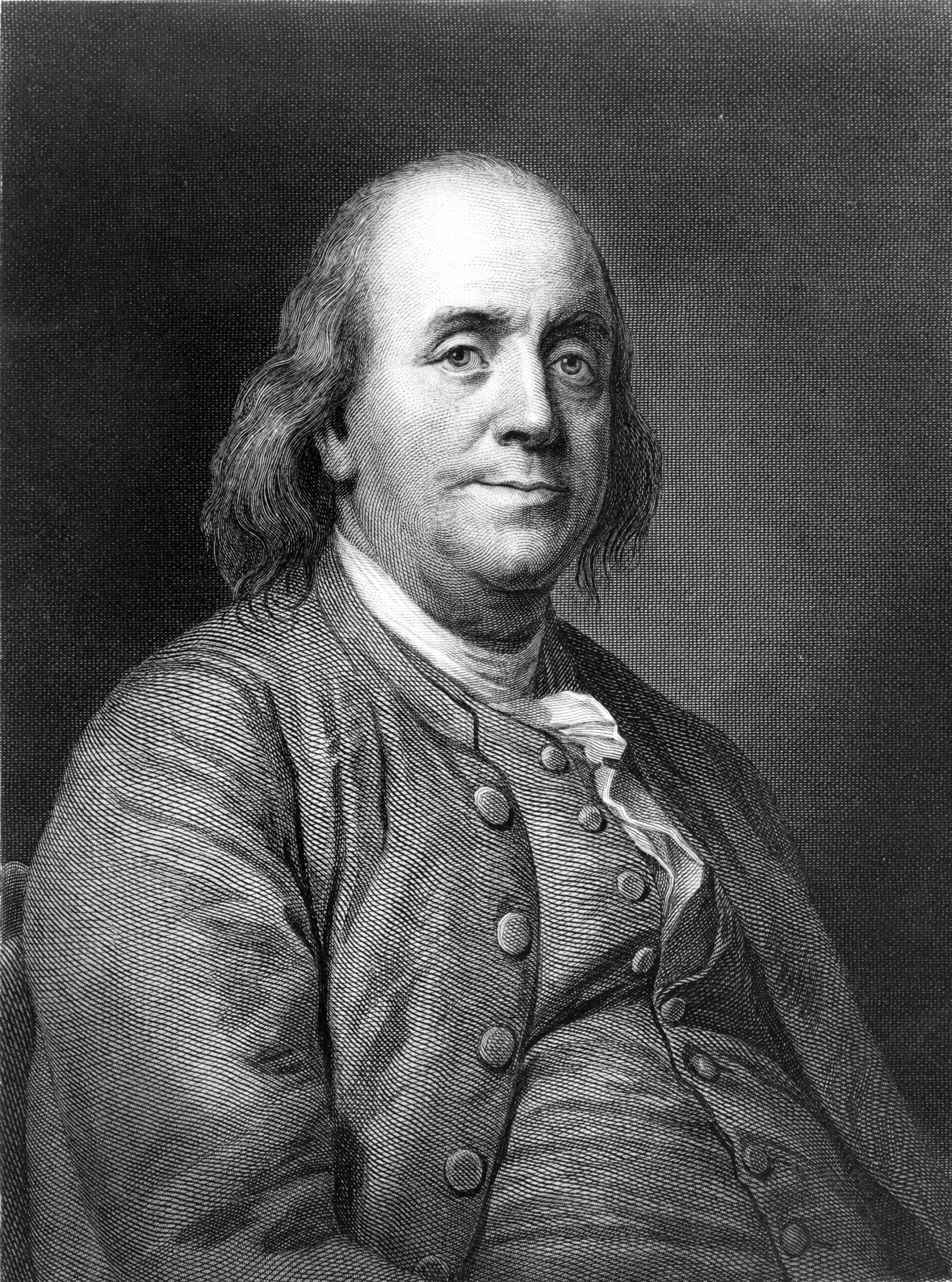
In 1773, on another node of the Great Reset Calendar, Benjamin Franklin published “Rules by which a Great Empire may be reduced to a Small One.”
He identified practices such as taxing without representation, appointing corrupt officials and promoting division among the populace. The seeds of the American Revolution in 1776 were clearly taking root.
As we watch these rules play out in modern institutions, we must realize that timing the market is a binary approach that fails. You cannot just be “in” or “out.”
You must be NIMBLE.
This is because markets are extremely complex, and being binary almost guarantees that you will miss the nuance.
Nuance is the foundation of every great investor’s strategy.
What the Great Reset Means for Investors
The 36–37-year cycle brings aspirations and ideals into confrontation with practical reality. Some dreams survive the test and reshape the world. Others fail. Some structures adapt; others crumble.
The prudent investor who understands history knows this isn’t a time to flee. It’s a time to watch for the measurable emergence of new “ground-level” trends.
From the enabling power of AI-driven medical, industrial and cultural creativity to new sovereignty movements, a host of reverberations demonstrate that a fundamental shift is underway.
For example, growing demand for energy and infrastructure are increasing attention on a broad range of energy technologies, investment and environmental/social impact. Citizens of locales where huge data centers are being pushed through are raising red flags. Questions of cost, impact, water use, and long term benefit are a heated topic. Policy and public acceptance continue to shape the transition.
The Next 36–37 Years Are Being Born Right Now
In this era, investors should:
- Avoid excessive concentration in the beneficiaries of the previous cycle.
- Distinguish infrastructure investment from speculative excess.
- Maintain liquidity.
- Recognize when leadership changes.
- Diversify across economic regimes.
- Identify businesses that will benefit from whatever structure replaces the old one.
No doubt, some of what we see emerging now will have to be replaced in the next Great Reset. Those who are accustomed to the world as it has been will find this era very confusing.
The danger of a Great Reset is assuming that the institutions, investments, alliances, technologies and economic relationships that succeeded during the previous 36–37 years will necessarily dominate the next era.
Stay disciplined.
Stay observant.
And stay ahead of the cycle.
KEYSTONE GUIDE
Financial Planner: What Does That Really Mean?
The title “financial planner” can describe professionals working under very different credentials, compensation arrangements, regulatory responsibilities, and business models.
Frederick Ravid examines how the profession developed, what those differences may reveal, who may actually be managing your investments, and the questions every investor should ask before choosing an adviser.
Read this foundational guide to understand both the financial planner and the business behind the advice.
A CONVERSATION ABOUT WHAT COMES NEXT
Is your financial strategy prepared for a changing environment?
The future is never certain, but a financial strategy can be built with change in mind. If this article has raised questions about your investments, retirement income or long-term financial planning, Frederick invites you to schedule a conversation and explore what those changes may mean for you.

Wall Street veteran, educator, and founder of Moneygrow.com®, with nearly 10,000 trading days of investment management experience since 1987. He helps individuals, families, trusts, and business owners make informed financial choices through disciplined investment management, financial education, and personalized strategic guidance.