
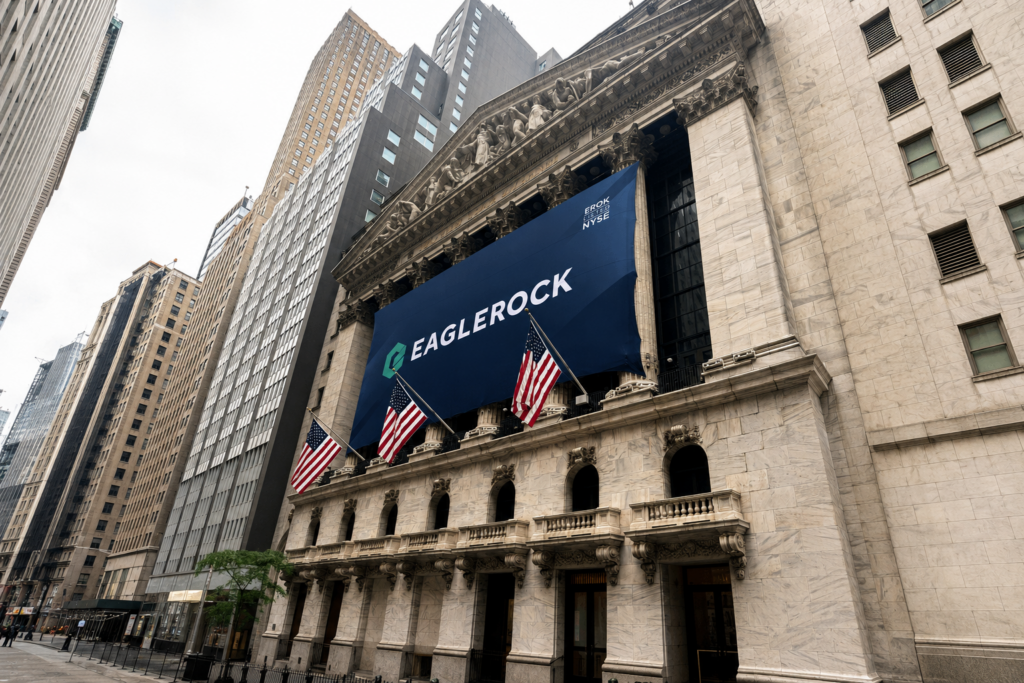
I was invited to visit the New York Stock Exchange on July 28, 2026, and I’d like to share some details and impressions with you.
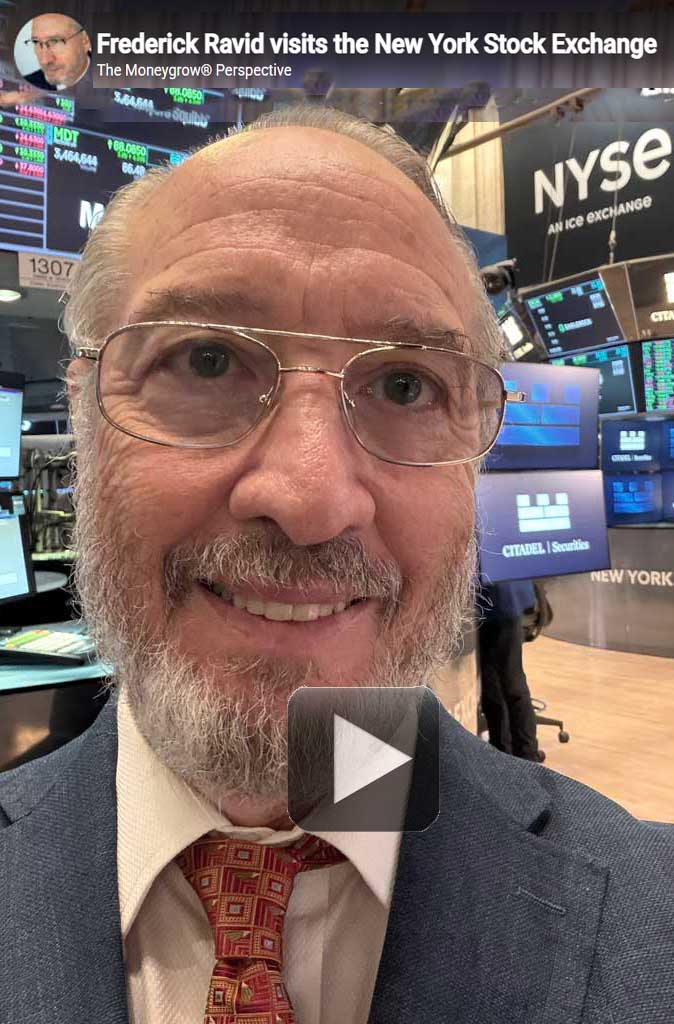
- What Happens on the Trading Floor?
- A Financial Broadcasting Center
- The People Who Keep the Market Operating
- The Opening and Closing Auctions
- Beneath the Opening Bell® Podium
- The Origin of Stock Trading in New York
- Beyond the Lens of the Cameras
- A Personal Letter From Warren Buffett
- Reflections on the NYSE
Having worked on Wall Street during the 1980s, I walked past the Exchange many times, but I had never stepped onto its famous trading floor. Like many investors, I was familiar with the images presented in the financial media, and I expected to find a fast-paced, chaotic environment.
Instead, I found a remarkably orderly operation where technology, human judgment, and global communications function together with extraordinary precision.
Walking onto the trading floor for the first time was a memorable experience. Standing in what has long been regarded as the heart of world finance gave me a new appreciation for the scale, sophistication, and complexity of the institution behind the world’s most closely watched capital market.
What Happens on the Trading Floor?
The trading floor is a large, open area where floor personnel conduct trading, assist with market operations, and support listed companies. It functions as a hybrid marketplace that combines electronic trading with human judgment.
I was surprised that there wasn’t any kind of chaotic energy on the trading floor. In fact, I learned that if someone is seen running on the trading floor, there are consequences.
The floor is divided into two major sections. One handles securities trading, while options trading takes place on the other side. In the options area, I heard voices calling out prices and other information related to options-market trading. On the securities side, there was a steady hum of activity and quiet conversations.
Every person on the trading floor has access to screens displaying a wide variety of information related to that person’s role. Some are handheld, but most are mounted.
Technically, the stock market is an auction market. Buyers and sellers come to agreements about the prices they are willing to accept for a transaction, and then the transaction takes place. Much of this occurs electronically today, but there are circumstances in which very large volumes of shares must be handled by Designated Market Makers.
Trading Posts
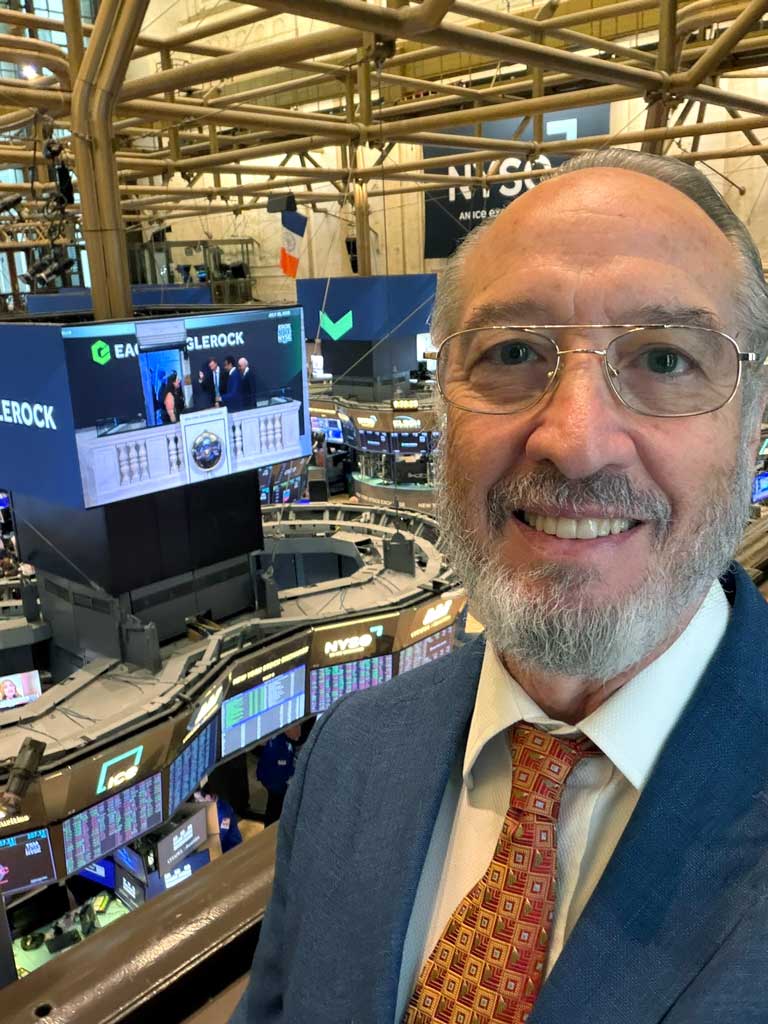
The floor is divided into trading posts. Each trading post is responsible for groups of listed stocks.
Historically, these were literally the physical locations where buyers and sellers gathered. Today, they remain operational centers where designated personnel oversee trading in assigned securities.
A Financial Broadcasting Center
One of the biggest surprises during my visit was discovering that the New York Stock Exchange is not simply a trading floor. It is also one of the world’s most important financial broadcasting centers, with multiple television studios and live-production facilities operating alongside the market itself.
The communication of information has become nearly as integral to the Exchange as the execution of trades.
Broadcast cameras were everywhere. Interviews were taking place continuously, and live programs were being transmitted or recorded throughout the trading floor. The Exchange also maintains its own internal broadcast network, while numerous financial media organizations produce live programming throughout the trading day.
Despite standing only a few feet away, Jim Cramer never asked for my opinion on the market.
FOX Business, Schwab Network, Yahoo Finance, and Cheddar typically maintain an on-the-floor presence. Reuters, Bloomberg, and other media organizations also play a role.
The trading floor is not merely a place where enormous sums of money change hands. It is also a global stage where reputation, confidence, ambition, and business sentiment converge every trading day.
The People Who Keep the Market Operating
Designated Market Makers
The most important participants on the floor of the Exchange work to maintain fair and orderly trading in the specific stocks assigned to them.
Rather than simply buying and selling or matching buyers with sellers, Designated Market Makers (DMM) oversee the opening and closing auctions. They monitor supply and demand while working to reduce excess volatility. When necessary, they step in with their own capital to maintain liquidity, helping ensure that markets continue to function during periods of stress.
There are only three DMM firms: Citadel Securities, Virtu Americas LLC, and GTS Securities LLC.
Citadel Securities is assigned to many of the NYSE’s highest-profile listed companies. Virtu Americas is responsible for hundreds of listed securities, electronic trading systems, and NYSE floor operations. GTS Securities is another major liquidity provider with numerous NYSE assignments.
Floor Brokers
Floor brokers represent institutional customers by executing large or complex orders that may benefit from human judgment, particularly during the opening and closing auctions.
Acting as agents for brokerage firms and institutional investors, they work with Designated Market Makers to seek efficient execution while minimizing market impact.
Security and Support Personnel
Additional personnel help maintain liquidity or perform various security, supervisory, clerical, and support functions.
Security is a serious operation at the NYSE. I had to pass through several different layers of security, some of which involved multiple stages, before being admitted. Clearing security alone consumed more than 20 minutes.
The Opening and Closing Auctions
At the Open
Before the market opens, thousands of buy and sell orders accumulate. Overnight news developments, global market movements, economic reports, and earnings releases must all be considered. Any of these factors can affect order volume.
The Designated Market Maker balances supply and demand and establishes the opening price for the stocks within that person’s area of responsibility.
At the Close
At the close, institutional portfolio managers rebalance positions. Mutual funds establish their official daily values. Exchange-traded funds complete creations and redemptions of shares, and index funds complete their benchmark trades. Traders for large institutions also work to reduce overnight risk.
A substantial portion of the large-volume trades taking place each day occurs during the opening and closing auctions.
Electronic trading plays a significant role throughout the market. Buy and sell orders are matched electronically in milliseconds. The trading floor remains important because it provides human oversight for complex situations, but for typical purchases made by retail investors, buy and sell order matching is handled electronically.
Beneath the Opening Bell® Podium
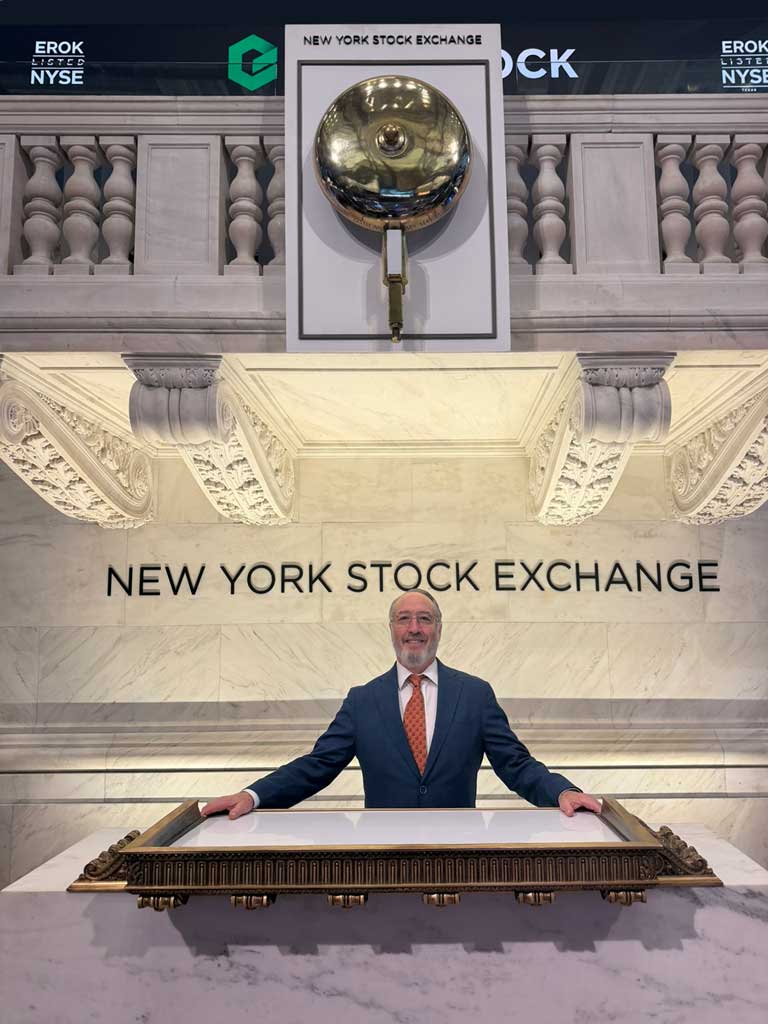
Here I am standing on the trading floor beneath the Opening Bell® Podium, where executives and investors associated with initial public offerings are often seen at the 9:30 a.m. market open.
The massive brass bell is struck nine times, with the final strike allowed to resonate. An electronic control system simultaneously rings four bells placed throughout the facility.
CNBC’s Squawk on the Street broadcast studio with Jim Cramer is directly across from where I am standing.
You may not realize that a “squawk box” was once a classic piece of Wall Street technology. Its name is directly connected to CNBC’s Squawk on the Street. A squawk box was a dedicated loudspeaker communication system connecting brokerage firms with their traders and floor brokers on the New York Stock Exchange.
Instead of telephones constantly ringing, brokerage firms could broadcast information instantly over an always-on speaker. Recipients simply listened as instructions were transmitted in real time.
Looking across the trading floor, one of the first things that catches your eye is the massive steel superstructure suspended above the trading posts. More than a support frame, it serves as the Exchange’s technological backbone, carrying hundreds of electronic displays, communications cables, lighting systems, cameras, and networking equipment while preserving the historic architecture beneath.
It is a vivid reminder that today’s New York Stock Exchange blends more than two centuries of tradition with some of the most advanced market technology in the world.
The Origin of Stock Trading in New York
In the late 1700s, stock trading in Lower Manhattan took place in coffeehouses, taverns, and even on the street. U.S. government bonds, bank stocks, and insurance-company shares were bought and sold.
Following the Panic of 1792, brokers realized that they needed a more orderly market. On May 17 of that year, 24 stockbrokers and merchants signed an agreement. It became known as the Buttonwood Agreement because it was signed beneath the limbs of a buttonwood tree at 68 Wall Street.
The agreement contained two substantive provisions:
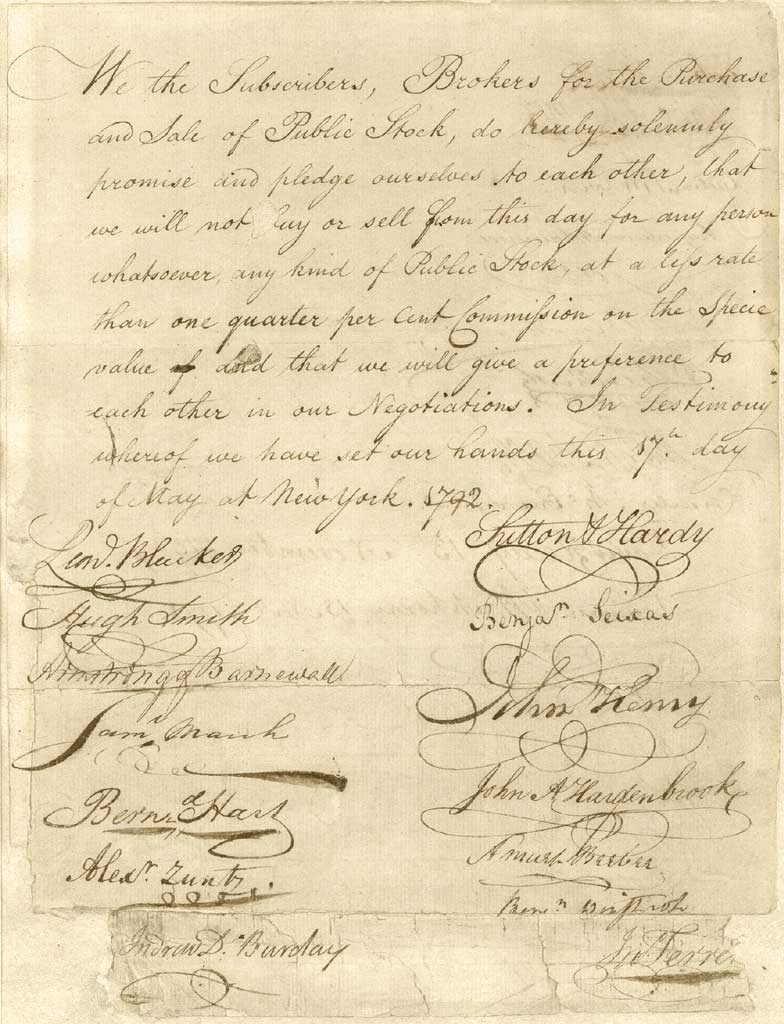
- The brokers agreed to give preference to one another, effectively creating a membership arrangement.
- They established a minimum commission of one-quarter of one percent, or 0.25 percent.
It is remarkable that one of the world’s most influential financial institutions traces its origins to a two-sentence agreement signed beneath a tree.
The Buttonwood Agreement did not create today’s sophisticated stock exchange overnight. Instead, it established something even more important: a commitment among brokers to trade according to agreed rules, laying the foundation for the orderly markets that have helped finance American innovation and economic growth for more than two centuries.
“We, the Subscribers, Brokers for the Purchase and Sale of the Public Stock, do hereby solemnly promise and pledge ourselves to each other, that we will not buy or sell from this day for any person whatsoever, any kind of Public Stock, at a less rate than one quarter per cent Commission on the Specie Value, and that we will give a preference to each other in our Negotiations.
“In Testimony whereof we have set our hands this 17th day of May at New York, 1792.”
One of the most influential financial institutions in history began with just 54 words of substance. The real innovation was not legal complexity, but a shared commitment among brokers to follow common rules and conduct business with integrity.
Beyond the Lens of the Cameras
One unexpected privilege of my visit was being allowed into areas that most visitors never see.
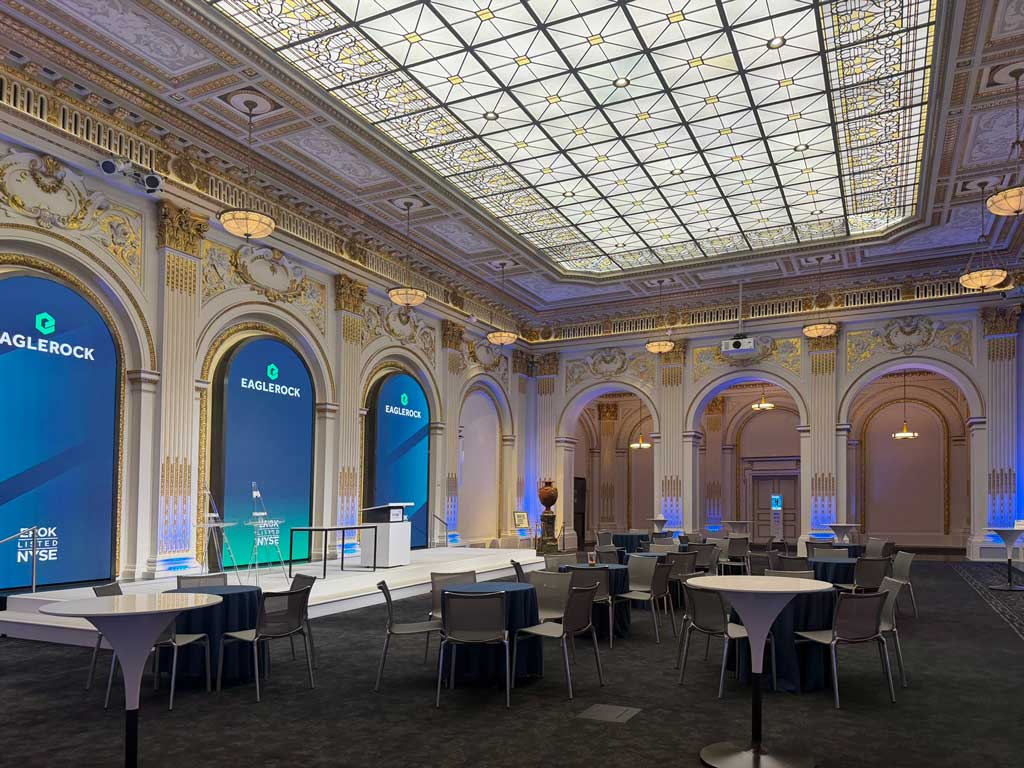
The Board Room
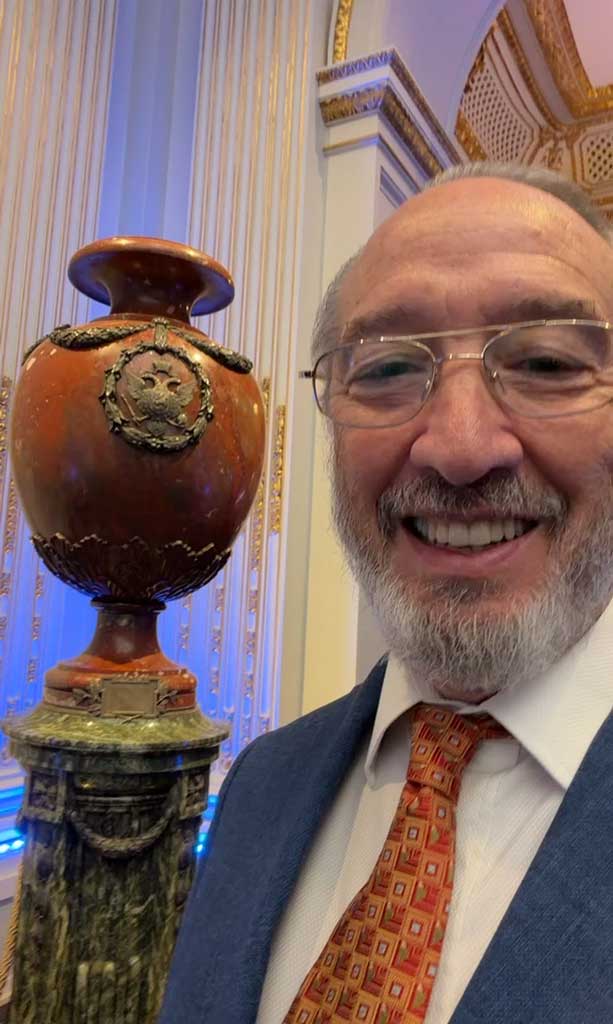
On the upper floors of the NYSE is an elegant hall known as the Board Room, where large catered receptions are held. The room has very high ceilings, gilded columns, and an illuminated ceiling.
A priceless Fabergé urn displayed there was given to the NYSE in 1904 by Czar Nicholas II. Beside the urn is an Imperial Russian government bond similar to those sold to American investors during the early 20th century. The Russian government later defaulted on these obligations following the Revolution.
A Personal Letter From Warren Buffett
Among the artifacts in the NYSE Board Room is a personal letter from Warren Buffett.
In it, Buffett recalls his first visit to the New York Stock Exchange in 1940 as a 10-year-old boy accompanying his father, an Omaha stockbroker who later served in Congress. Nearly five decades later, Berkshire Hathaway’s shares were listed on the Exchange.
This personal letter from Buffett to the then-president of the NYSE serves as a reminder that the world’s most celebrated investor first experienced Wall Street not as a financial titan, but as a curious child inspired by what he saw.
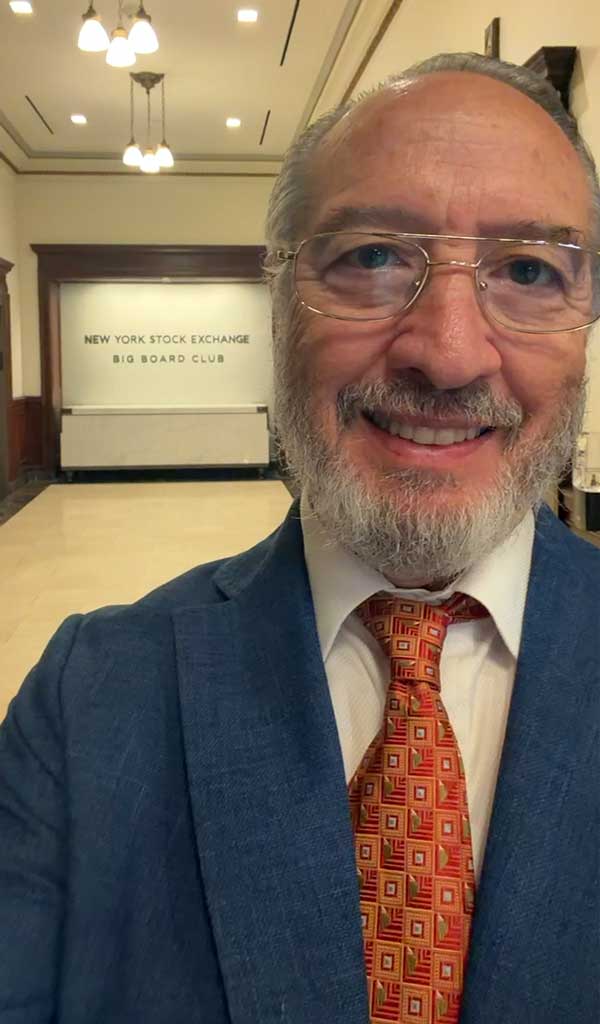
The Big Board Club
Hidden above the famous trading floor is the Big Board Club, an elegant executive reception area where CEOs, heads of state, and corporate leaders gather before bell-ringing ceremonies, investor meetings, and press events.
Part boardroom and part museum, it houses some of the New York Stock Exchange’s most treasured historical artifacts. It provides a striking contrast between Wall Street’s rich history and its role at the center of modern global finance.
Reflections on the NYSE
What surprised me most was not simply the mechanics of trading or the phenomenal investment in technology, but how many different missions the Exchange serves simultaneously.
It is a marketplace, a television studio, a historic landmark, a meeting place for corporate leadership, and an international symbol of American capitalism. Watching all of those functions operate together gave me a new appreciation for the institution and its role in the financial world.
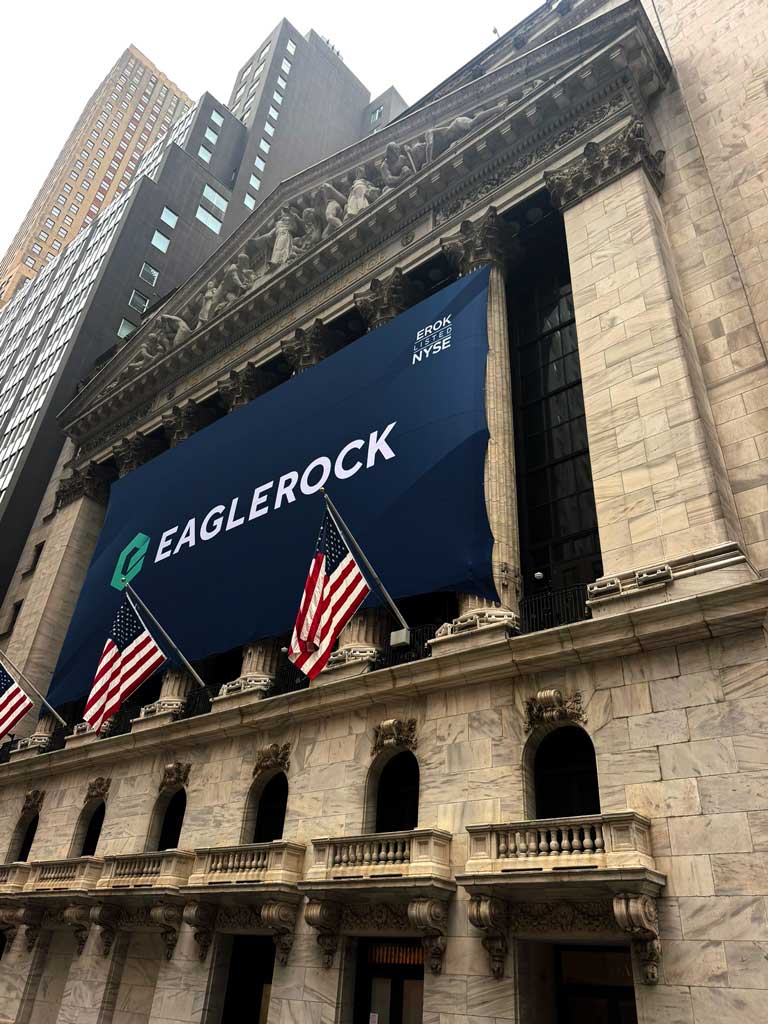
A remarkable amount of physical space is dedicated to private events where leaders, boards, and guests convene. The NYSE also hosts an extraordinary number of prominent business leaders, government officials, and distinguished guests. This, of course, requires extensive security and other support functions.
There is an awe-inspiring character to the NYSE, and it is no surprise that it has been designated a National Historic Landmark.
My visit reinforced something I have believed for many years: behind every stock symbol is a real business, real people, and a capital market that enables innovation, entrepreneurship, and investment to shape a brighter future.
The New York Stock Exchange is more than the world’s largest stock market. Completed in 1903, its iconic marble façade has witnessed more than a century of American economic history, while the technology inside has evolved from chalkboards and paper tickets to fiber-optic networks and electronic trading systems.
The building itself is a fitting symbol of the balance between tradition and innovation that defines our capital markets.
KEYSTONE GUIDE
Financial Planner: What Does That Really Mean?
The title “financial planner” can describe professionals working under very different credentials, compensation arrangements, regulatory responsibilities, and business models.
Frederick Ravid examines how the profession developed, what those differences may reveal, who may actually be managing your investments, and the questions every investor should ask before choosing an adviser.
Read this foundational guide to understand both the financial planner and the business behind the advice.
Financial Guidance Begins with a Conversation
Your circumstances, responsibilities, and priorities are your own. A conversation with Frederick can help clarify where you are, what concerns you most, and which of the Keystone Services may be appropriate for you.

Wall Street veteran, educator, and founder of Moneygrow.com®, with nearly 10,000 trading days of investment management experience since 1987. He helps individuals, families, trusts, and business owners make informed financial choices through disciplined investment management, financial education, and personalized strategic guidance.